
News
-
SHARED SKIES
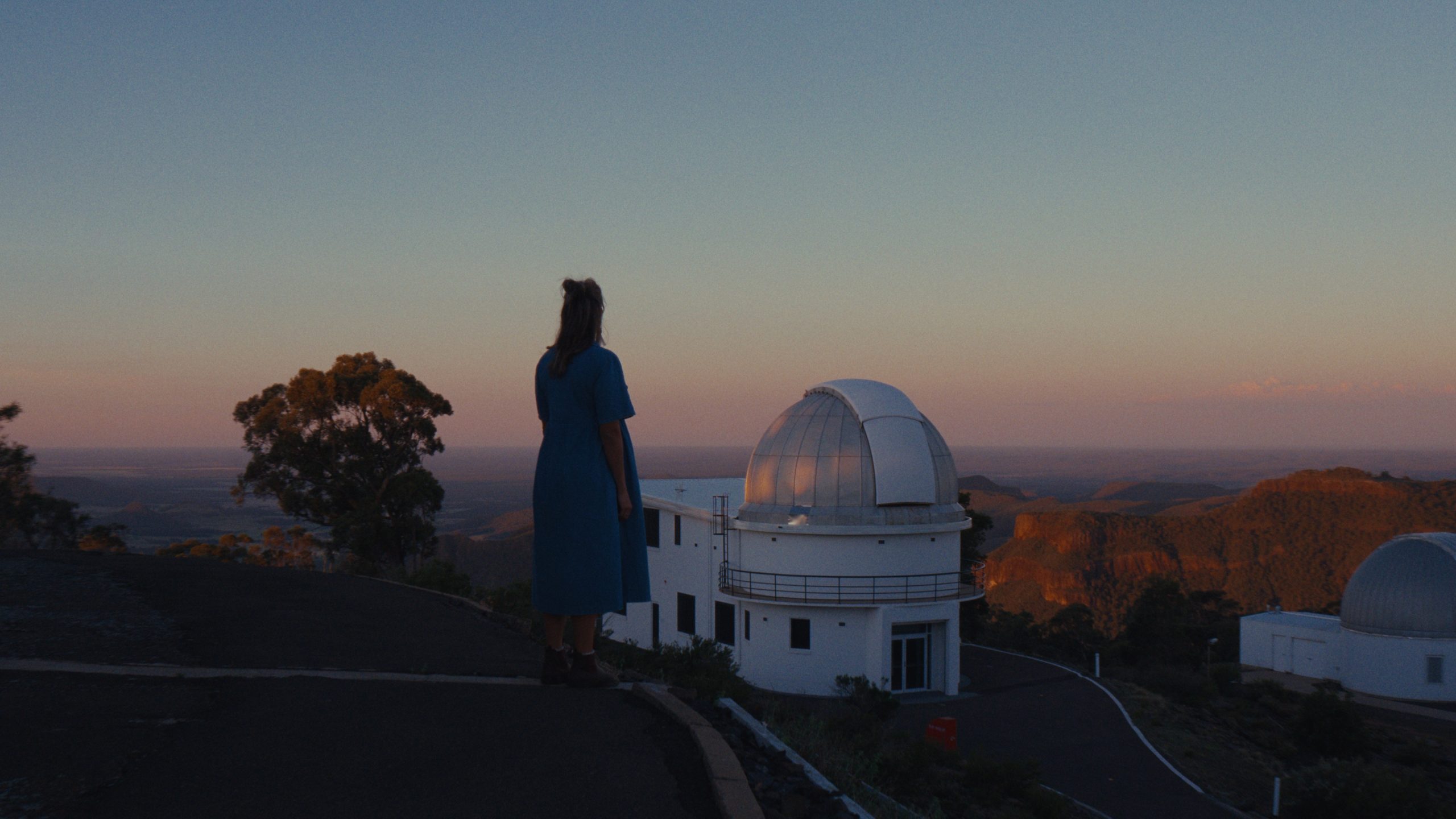
We are pleased to invite you to the public presentation of Shared Skies, a long-term India–Australia cultural collaboration.
Presented by Fremantle Biennale, sā Ladakh Biennale, and Ladakh Arts and Media Organisation, in collaboration with India Art Fair and STIR, the initiative brings together contemporary art, science, technology, and Indigenous ways of seeing to foster dialogue across cultures through the shared language of the night sky.
The panel brings together artists, curators, and cultural practitioners to reflect on intercontinental exchange, First Nations perspectives, and the role of contemporary art in shaping shared ways of seeing.
The presentation includes a film screening by Luna Laure and Sumit Sharma, with Rob Lednor, followed by a conversation moderated by Samta Nadeem, featuring Tom Mùller, Monisha Ahmed, Raki Nikahetiya, and Jigmet Angmo.


Shared Skies is supported by CAIR through Australia’s Department of Foreign Affairs and Trade, with the Indian Council for Cultural Relations, and sits within an ongoing cultural dialogue between India and Australia.
Date: 4 February 2026
Time: 12:00 PM (Film screening: 12:00–12:15 PM; Panel discussion: 12:15–1:15 PM)
Venue: STIR Gallery, New DelhiThe project is supported by the Centre for Australia–India Relations, through the Commonwealth of Australia’s Department of Foreign Affairs and Trade.
-

ANNOUNCEMENT
Fremantle Biennale Appoints Curator and Announces Chair Handover
Fremantle Biennale is pleased to announce the appointment of Annika Kristensen as Curator for the Fremantle Biennale. Kristensen will work closely with Artistic Director and Co-Founder Tom Mùller and Executive Producer Katherine Wilkinson in shaping the artistic vision and public program for the next edition.
Annika Kristensen is an experienced curator with a strong focus on commissioning new work by contemporary artists. Most recently, she was Visual Arts Curator at Perth Festival (2023–2024). Previously, she served as Senior Curator at the Australian Centre for Contemporary Art (ACCA), Melbourne, where she worked with leading Australian and international artists to commission new work and curate major solo and group exhibitions. Kristensen has also held roles with the Biennale of Sydney, Artangel, Frieze Art Fair, and other leading cultural organisations in Australia and the UK. She holds an MSc in Art History, Theory and Display from the University of Edinburgh.
“I am delighted to be joining the Fremantle Biennale at such a compelling moment. Returning to Perth after many years spent interstate and overseas, I have been thrilled to witness the growth of this organisation and the excitement that it brings to Walyalup (Fremantle). I’m looking forward to continuing the incredible work that the Biennale has done, working collaboratively with artists and communities to realise ambitious projects grounded in place and connected to the world,” said Kristensen.
Alongside this appointment, Mùller and Wilkinson are leading a suite of new initiatives that extend the Biennale’s local, regional, and international engagement. These include Night Rise, a new program supported by Creative Australia, which connects contemporary art experiences with the dark sky places of Western Australia. The Biennale will also continue its international focus through Shared Skies, a long-term bilateral program with India and a first-of-its-kind intercontinental collaboration centred on the Dark Sky Reserves of Australia and India. Shared Skies is supported by the Australian Government through the Department of Foreign Affairs and Trade and the Centre for Australia–India Relations, fostering artistic exchange and cultural dialogue through the shared human experience of the night sky.
Fremantle Biennale also marks the official handover of its Chair of the Board, with Pete Stone concluding an eight-year tenure and Ella McNeill appointed as incoming Chair.
“I am thrilled that Ella is taking over the role of Chair and Annika as Curator. The last few years have been a time of growth for the Biennale and the future looks bright, with new opportunities on the horizon locally and across the globe. Ella is the right person to lead the organisation with Tom, Kat, and the board through this next stage of development, and I wish her well. I would like to acknowledge all the hard work and support of the staff, volunteers, supporters, partners, and my fellow board members over the last eight years. I am looking forward to the next chapter,” said Stone.
Ella McNeill is an arts leader whose work bridges creative excellence and social purpose. With experience across the private, public, and not-for-profit sectors, she has worked with leading arts organisations globally. Ella is a Director of Kāru and a board member of the Fremantle Biennale and the Centre for Asylum Seekers, Refugees and Detainees, and is an advocate for the transformative potential of artistic practice.
“It’s an exciting time at the Fremantle Biennale, and I’m honoured to be stepping into the role of Chair. Pete leaves behind a strong legacy and solid foundation for what’s ahead. I’m looking forward to working with Tom, Katherine, and Annika to continue delivering exceptional experiences for artists and audiences, both here and afar,” said McNeill.
-
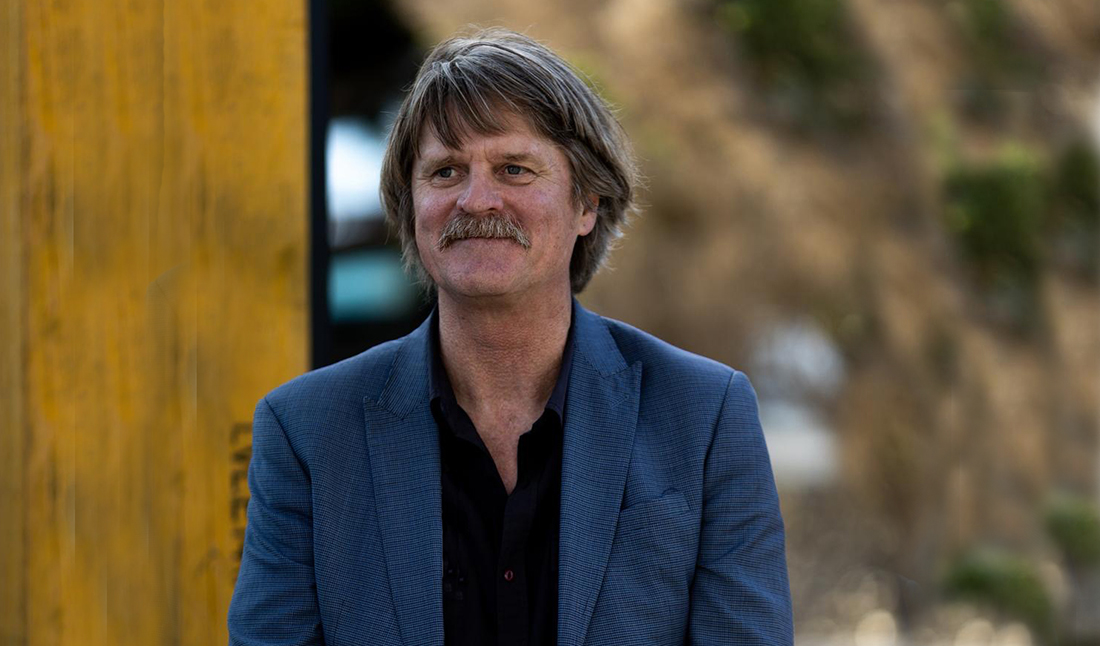
JOB INTERVIEW WITH CHAIR, PETE STONE
The Chair Leaves the Chair: Pete Stone Signs Off
Written By: Prinitha Govender | Creative Director at Skripture
Every role eventually comes with a different kind of interview. Not the one that gets you in, but the one that reflects on what it asked of you.
The Fremantle Biennale has always been a festival shaped by currents – tidal, cultural and emotional. After eight years at the helm, the Biennale’s chair, Pete Stone, steps away from the role, leaving behind a legacy defined not by spectacle, but by conviction: that art belongs to place and place belongs to people. Widely regarded as a pillar of Fremantle’s art community, Pete Stone’s departure marks the end of formative era that has shaped not only the Biennale’s identity, but the city’s evolving cultural soul.
As the organisation prepares for its next chapter, I sat down with Pete Stone in late 2025 for our inaugural Job Interview feature – an intimate, lightly irreverent conversation that looks back at the role he stepped into, the unexpected moments that shaped it and the future he now passes on.
What does it take to chair an event that is as experimental as it is deeply local? And what does stepping away really feel like when your fingerprints are woven throughout its foundations? This is Pete Stone’s exit interview.
Do you remember the moment you agreed to become Chairman? What convinced you?
I think Tom Mùller and Corine van Hall discussed it first amongst themselves and they both approached me together. It didn’t take much convincing – I thought it was great opportunity for me to be honest (laughs). But also, I was already well ensconced in the world of the Biennale. I was already on the board – the board started in 2018 and I was in the chairman position in 2019, but I’ve been involved from the first iteration in 2017. From the outset, when Tom first came to me with the idea, to the City of Fremantle, to talk about it, I was convinced of the brilliance of the idea so it wasn’t a hard decision for me and I’ve enjoyed every minute of it.
If this role really were a job you were interviewing for today, how would you describe it in one sentence?
I’d describe it as a really good job (laughs). We made a conscious decision as a board, when we started, that our job wasn’t to be the artistic directors. Obviously, as we were a really small organisation, we’re across all that and involved in those conversations, which is a very fun part of the work, but we clearly saw our role as facilitating Tom and the team to do the great things that they can do and not telling them what to do. And we stuck to that and I think that it paid off and it created a very friendly sense of camaraderie between the board and the staff and hopefully they felt supported during process. I know that I can speak on behalf of the board and say that all the board members have really enjoyed being part of the board because of the closeness of the organisation – I feel that we understood what our role was and that we were comfortable doing that.

Fremantle Biennale Board (2019) | From left: Ariane Palassis, Corine van Hall, Gladys Demise, Pete Stone, Ian Kortlang, Ted Snell (late), Delwyn Everard, Margaret Moore, Peter Woodward, Marcus Holmes, Tom Mùller. Photo by Duncan Wright Who were you when you first took on the role eight years ago and who are you now, figuratively speaking, of course?
So in that period, since I first met Tom and was introduced to the Biennale, I’ve done a few different roles in my professional life – I was manager at Fremantle Arts Centre at that time and then I had stint at Perth Festival, which I really enjoyed. I also had a few years at the City of Melville running their arts program and now I’m back at the City of Fremantle in a director role – so I’m the same person, but I’ve learnt a lot. I’ve had a lot more experience and I guess doing jobs that I don’t necessarily know a lot about before I’ve done them. So, I’ve evolved and learnt a lot in the last eight years and the Biennale has been a big part of that. I think a fundamental change is that I’ve definitely learnt to work with people. I mean, I’ve always worked with people but I feel like I’m better at that now and identifying what I’m bringing to the table, but more importantly, what I’m not bringing to the table and so working with other people who can bring other things that I can’t bring and recognising when people have particular skillset that I don’t have and hopefully trying to make the most of that.
Was there a defining moment earlier in your life that shaped how you show up as a leader today?
I’ve had an ad hoc working life, as in, I didn’t wake up one day with clear career aspirations or any kind of particular career plan in mind – it has been quite organic. So, I’ve just followed opportunities as they’ve come. But, I’ve had two or three really great bosses, particularly in my really early years of working, who taught me a lot, through either directly or through osmosis, and that was all about honesty, integrity and if you’ve made a mistake, put your hand up and say you’ve made a mistake and let’s see how we can work together to work it out and not pretend like you know everything. Also, to understand that a leader is only as good as the team. You learn that if you’re in a leadership role, you can never be the expert on everything because that just doesn’t happen and so once you open yourself up to the idea, that you’re not, and that you’re happy to work with people who know a lot more than you do and that it’s not a threat – it’s a joy – then, it actually becomes fun.
What daily rituals or personal habits have kept you grounded over the last eight years?
I walk the dog most mornings and do a little exercise which is a good way to start the day. A little bit of running as well – I find that clears my head a bit. I also find, I often solve problems unknowingly, when I’m doing that sort of activity, or something I’ve been pondering that I haven’t worked out – suddenly it hits me after a long walk or a bit of running. Apart from that, I guess I’m like everybody else, you know, work gets stressful and you have times that are difficult, so in that, I think it’s important to remember to take the time to celebrate the good things, which I know is a cliche. But actually that can be hard to do if you’re very busy and things just keep rolling on but that’s a really important thing to do. I look back over my working life now and you don’t remember – you know there’s thousands of meeting and thousands of issues, but you don’t really remember all that stuff – you just remember a handful of significant things that you’re personally proud of, basically, and you take that with you. And also, understanding who you are – I think sometimes we get new jobs and we think, “I’ve got to be this sort of person in this job”, but that’s actually not true. Generally, people have employed you because they want you, right? So, I think it took me a while to learn that – playing to your strengths and a big part of playing to your strengths is understanding your weaknesses – that’s also what keeps me grounded.
Which Biennale, as Chair, are you most proud of?
Well, that a really good question – all of them (smiles), but, particularly this last one. I said to Tom afterwards, that I feel like SANCTUARY was really embedded in the community and I made the comment to Tom that: “It’s not your festival anymore. It belongs to the community” and I meant that in a very positive way. It really felt like the local community, but the wider community outside of Fremantle as well, embraced it this time in a way that I haven’t really felt before. I’ve felt it in moments and in pieces previously, but I felt that the whole festival was really embraced by the community and that came through the whole three weeks of SANCTUARY. I thought that was a significant achievement, so for that reason, I’m saying the last one was my favourite.
What was it about SANCTUARY, do you think, that led to it being embraced so well by the community as compared with previous years?
I think it started with the theme “sanctuary” and that theme resonated, it really did, and it flowed through everything. The community hub down at Manjaree was a central point; we’ve had hubs before but I thought this one in particular worked very well. But also, it was a slightly different approach in the programming this year than in previous years. Previously, there’s been the big hero event, like Waterlicht, the Arcs d’Éllipses down on High Street or the drones presentations (First Lights), whereas this year, there was just more concentration on the quality and the density of the programming across the board and I felt that really helped the community connection. Also, I felt this time when you were wandering around the Biennale, it was really easy to engage with all the works and on a self guided tour in a way that was a development on previous biennales.
Is there a memory from your time as Chair that always makes you smile?
There’s lots. I do have a memory (laughs) of the first biennale and the Éllipses work that ran all the way down High Street – the artist with a huge ladder on his one shoulder, paint in the other hand, cycling the wrong way down the street – and thinking, Oh here we go, we’re off on this big adventure! I wasn’t quite sure how it was going to unfold, but you know, it unfolded beautifully. But I think the memory of the last one will stay with me and how much it was embedded in the community and how, as we’ve talked about before, how it really felt like the festival crossed a bridge in this last iteration, from being a festival owned by the Fremantle Biennale to a festival that’s now owned by the community, and that was a significant moment for me to feel that.
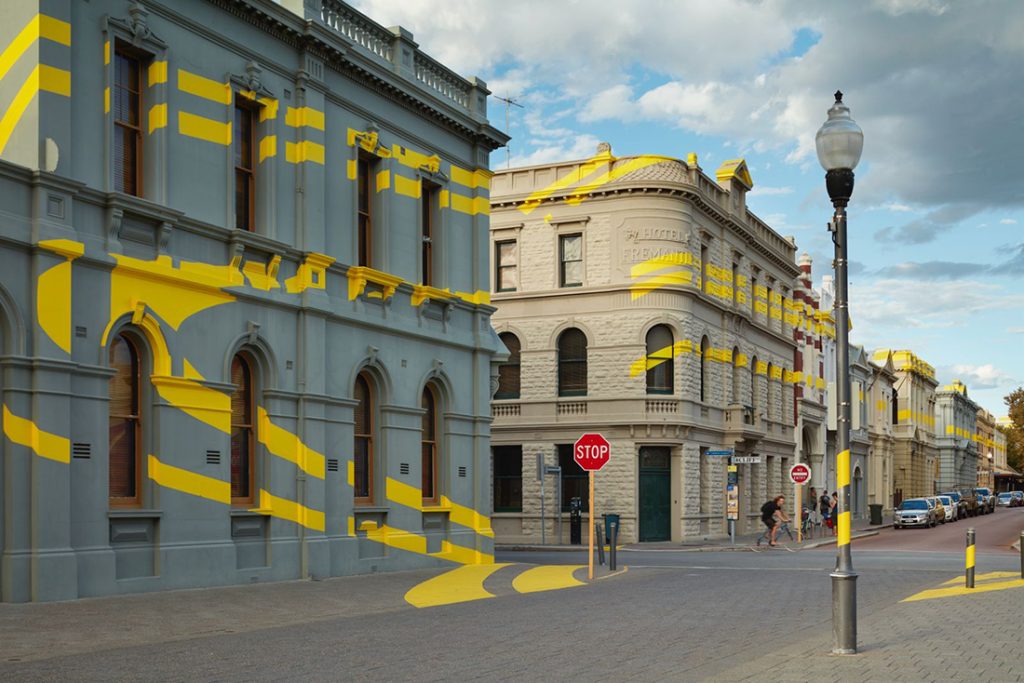
Felice Varini, Arcs d’Éllipses (2019) When you look back over the last eight years, what’s an achievement with the Fremantle Biennale that still gives you a quiet sense of pride?
It really is the development of the organisation, so aside from the actual presentations of the Biennale and all the great work that goes on there, it’s the fact that as a group, as a board and a staff group together, we’ve managed to evolve. You know, what is still a small organisation, into an organisation that has a few different streams of business and presentations now and some security for the staff and a future that looks open rather than: We’re going to do the same thing for the next 20 years. We’ve always talked very openly about – I think it’s really important to keep asking yourself, What’s the point of it? Often a lot of arts organisations can drift on essentially delivering the same thing for a long time and eventually I think that loses momentum.
I don’t think all arts organisations are designed to be there forever and most of them aren’t, and you know, we talked openly about – Should this be here for 10 years and then call it quits and say that was that, and we’re happy and everybody moves onto something else? – and that has been a serious conversation. But, whilst we’ve been having those conversations, the Biennale has diversified into other areas, like First Lights and other program opportunities that are now taking up a fair bit of time and focus. So, that’s what I’m most proud of – that development of the organisation into something that I did not envisage at the start of my involvement. It’s just something that happened along the way – we’ve embraced the opportunities that have come and when we started, we didn’t envisage we’d have such a broad colour palette of projects beyond the actual Biennale.
What do you see as the core purpose of the Fremantle Biennale and how has that evolved during your time as Chairman?
I still believe, as I did from the outset, that the core legacy of the Biennale is bringing art to the people – so out of the gallery spaces and into the world and reducing the barriers of interaction for everybody and I think the Biennale has been successful at that. I guess the intricacy with that is the cleverness behind the program. It is an accessible program and there’s often no barriers to it, like – it’s often free or it might not be in an elite gallery space where not everybody is comfortable going, it might just be out in the open public area. But, I think the cleverness in the programming that the team have done is they’ve managed to do that but then provide this real depth to the programming every time, which allows you, without pressure, to explore deeper into the Biennale program as you’re comfortable, as you want to. It’s easy to engage in initially, and then as you’re comfortable, people can move in deeper and deeper into it and that the audience member kind of feels in control as opposed to having something presented to them – I think basically, that’s been it’s strength.
What was the hardest part of the job as Chair that no one sees from the outside?
There’s an element of risk management. Small organisations often run on the smell of a oily rag and whilst funding develops, you have to have an appetite for the acceptance of risk, obviously within reason, but, there is no progress without risk. Risk comes in many forms – it can be the risk about the programming – is it going to work, is it going to land, is it going to resonate? It can be the fundamental risk of audience management and the safety of presentations. It’s not like working in a large organisation that’s heavily funded and has all sorts of resources – so it’s a fine line between risk mitigation and acceptable risk. That’s probably the thing that I’ve thought most about in the quiet times, that’s not necessarily public.
How has the Fremantle arts ecosystem evolved over the past decade, and how do you think the Fremantle Biennale has contributed to that?
Despite gentrification in Fremantle, it has still managed to maintain an eclectic, creative industry and that hasn’t diminished – that has evolved over the last decade, for sure.There’s still traditional organisations, but also lots of groups of people or community groups that get together and do things in a space that aren’t necessarily incorporated organisations or anything, so there’s been a lot of that deep DIY activity over the last decade, which personally, I really love – it makes a great contribution. I think the Fremantle Biennale has contributed over the last 10 years by positioning itself a little differently to everything else. They’ve really focused on the idea of collaboration and that has manifested in opportunities for great artists living and working here to meet and work with great artists coming into the Biennale from wherever that may be in the world. I think people talk about that a bit, but I think the Biennale has really lived and breathed that and so there’s many connections that still exist from previous biennales between great artists living and working here and artists that have come from around the world to participate in the Biennale. I think that’s a legacy and that was a way the Biennale positioned itself to hopefully, contribute to the developed creative practice in WA – and that’s going to produce stuff in the future that we’re not even aware of.
What made you feel like now was the right moment to pass on the baton?
For many reasons. Because I’ve been involved in five biennales, four of them as chair, I’m a great believer in not hanging on for too long in these positions, regardless of how it’s going. I think evolution in these key positions is really important to the longevity and the momentum of the organisation – so that feels right. We also have an amazing board and Ella McNeil who is stepping up as chair, is an excellent candidate for the position. Also, with Tom Mùller stepping down as artistic director of the Biennale, that also feel like it aligns – time for some fresh faces with both the chair role and the artistic director role – with Tom obviously staying on in the organisation as CEO. So, that all feels right. And yea, it’s time for someone else to have the opportunity and also it’s nice to – and it wasn’t planned this way as you never know how things are going to go – it feels right leaving after this one because of what I said before about it really feeling like the community sort of owns the festival now rather than us, so that feels like a nice time to hand over the baton.
You mentioned earlier about Tom Mùller concluding as Artistic Director of the Fremantle Biennale. How would you reflect on your time working alongside Tom all these years on this incredible journey?
Unique is the word I would use to describe that. Tom has an incredibly creative brain and also a very astute business brain. It’s an unusual combination; it’s often one or the other. His attention to detail in terms of budgeting for the festivals and that level of detail is extreme. He’s very easy to work with in that way as you always feel like you’re aware of what’s happening and there’s no great surprises popping up and there’s no big holes in the budget popping up, so that makes it incredibly easy to work alongside him. And that sits alongside his unique ambition – you know, he’s an ambitious person in the programming realm. He takes risks and he gets out there and forms relationships and I look back now over the years and look at the relationships he’s formed with people around particular presentations in the Biennale and that’s a lot of work, and he’s exceptional at it. It’s been great to be alongside him while he’s doing it and to witness that. And I’ve always loved to go to meetings with Tom (smiles) – he talks so articulately about the program in general and whatever the particular things are that we’re discussing at that meeting and we sort of understand our roles in that situation – I’m representing the governance element as the chair, but people love to hear Tom talk about the program and that’s been a joy.
What are you excited to reclaim in your life now – forgoing the time, dedication and commitment you had as Chair – where will you direct that focus?
It’s not been onerous – it’s never felt that way. I’m just being honest and I’m not being a martyr or playing it down. It’s just mostly been a joy. There’s not other things in my life that I’m desperate to get to because I’m not doing the Biennale. It’s just, as we discussed – it just feels like the right time. I’ll still be around and I’ll still be going to them all and I just look forward to seeing it evolve into what’s next – and who knows what that will be.

Fremantle Biennale SANCTUARY 25 Opening (2025) | From left: Pete Stone, Simone McGurk | Image Credit: Duncan Wright This feature was created for Fremantle Biennale by Skripture
-
ROOM SERVICE AT P&O HOTEL
Welcome to Wonderland: Artists Transform the P&O HotelWritten By: Prinitha Govender | Creative Director at Skripture
Over the weekend, Fremantle’s west-end P&O Hotel transformed into something entirely unexpected: a stage for imagination, curiosity and the uncanny. Room Service, the latest site-immersive art installation presented by the Fremantle Biennale and the Fremantle Culture Council as part of the closing weekend of SANCTUARY 25 invited audiences to step inside and experience blurred lines between reality and art, the familiar and the fantastical.
Once filled with travellers, stories and late-night murmurs, the P&O Hotel has for the last few years stood quietly still, waiting, it seemed, for something to reawaken it. That awakening arrived over the weekend, 29 to 30 November 2025, when the historic and dormant building shed its familiar skin and opened itself to a world of imagination for all who dared to step inside.
Curated by Fremantle Biennale’s artistic director Tom Mùller and creative producer Odetta Davison in collaboration with artist and musician Danielle Caruana, Room Service brought together a diverse group of artists, performers and musicians, each invited to inhabit one of the 32 rooms of the P&O Hotel. Their brief was simple yet daring – respond to the layered history of this iconic building and in doing so, awaken its sleeping stories for all who entered.
Walking into Room Service felt like stepping straight into my favourite childhood storybook, Alice in Wonderland. It was as if I had tumbled down a rabbit hole into a world of fantasy, a touch of madness and unexpected beauty. The installation’s genius lay in its ability to take a commonplace environment, the P&O Hotel, and transform it into a canvas for storytelling. A building layered with decades of Fremantle history, the P&O Hotel stood as both host and protagonist. Patinated and rich with character, it opened its rooms once more, not to travellers, but to imagination. What could have been a series of tired old rooms with weathering carpets, became a labyrinth of experiences, each curated with meticulous attention to detail. It was intimate yet expansive, some parts surprising, yet some, strangely familiar, echoing Fremantle’s unique cultural pulse.
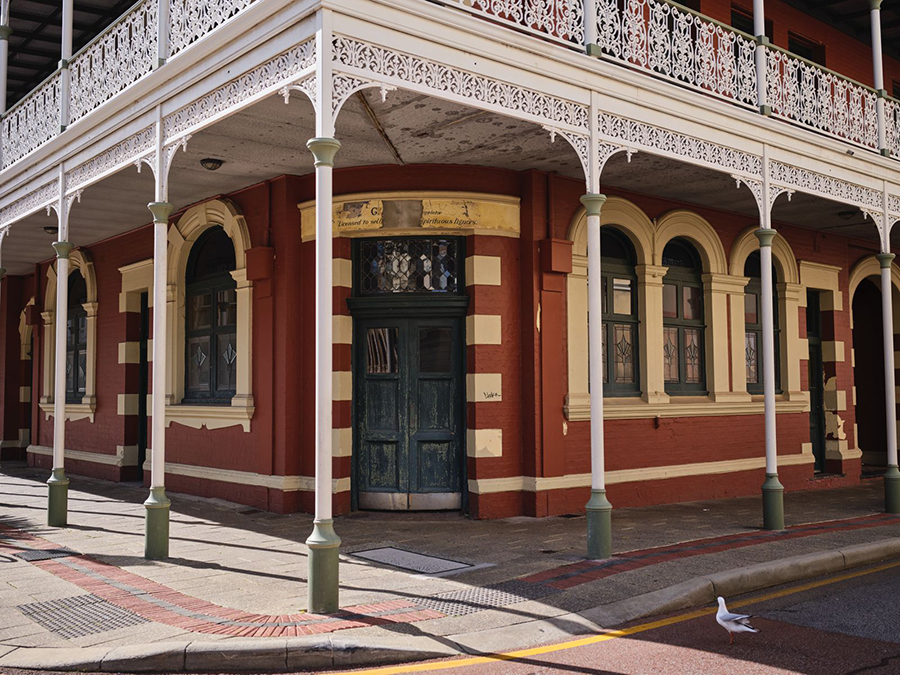
P&O Hotel in Fremantle | Photo Credit: Duncan Wright From the moment I entered, familiar rooms and hallways dissolved into dreamlike landscapes. Each corner revealed something whimsical, surreal or slightly disorienting, yet threaded with the quiet memory of the hotel’s history, the whispers of past guests, the patina of decades-old wood, the echo of Fremantle itself embedded in every wall. Each corner of the installation encouraged exploration, inviting visitors to linger, question and to participate in the unfolding narrative.
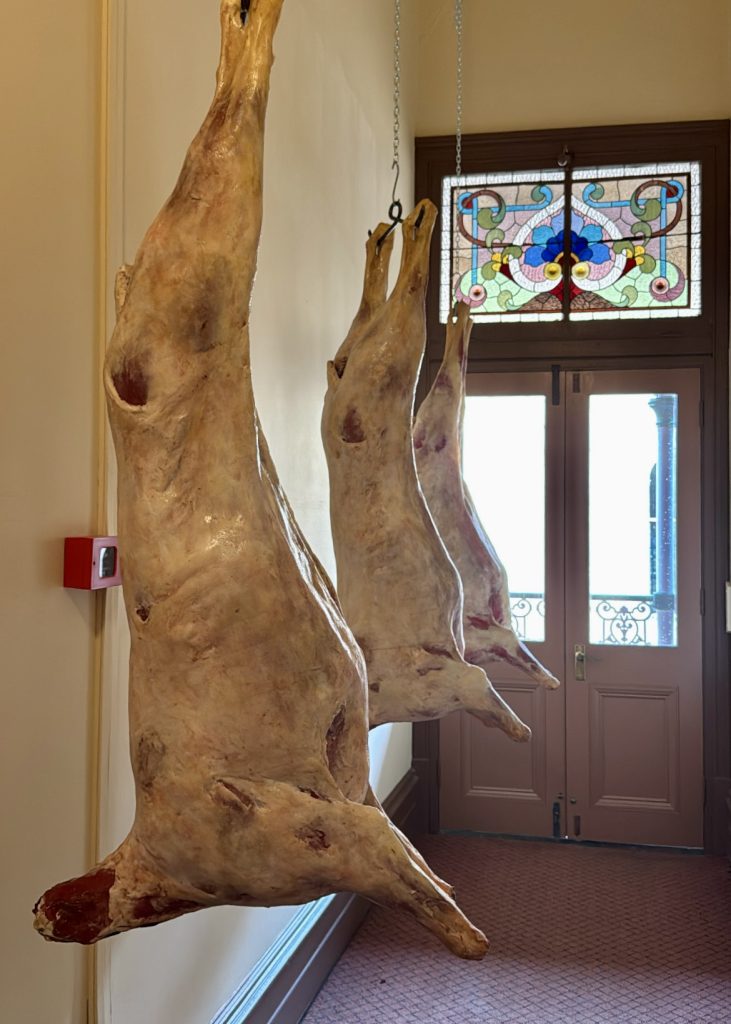
Abdul Rahman Abdullah, Hotel Corridor (2025) | Courtesy of the artist and Fremantle Biennale | Photo Credit: Skripture The Hengequeens Choir in Room 1 sung like angels continuously for four straight hours over two nights, giving visitors a moment to pause, breathe and observe. Irene Schneider’s Clay Mediation in Room 3 was a restorative work of art, handing balls of wet clay to participants who were invited to sit around a shrine of previous participants’ claywork in contemplation, while they created clay mouldings of their own. The experience was simple, yet highly immersive in its textured experience of the four senses – sight, smell, sound and touch. Ai-Ling Truong’s Tea Meditation in Room 19 touched on the same notes, adding a fifth sense to the mix – taste. An infusion of tea, the traditions, the sit down and the tea lesson itself was a charming juxtaposition to the remainder of my experience of Room Service.
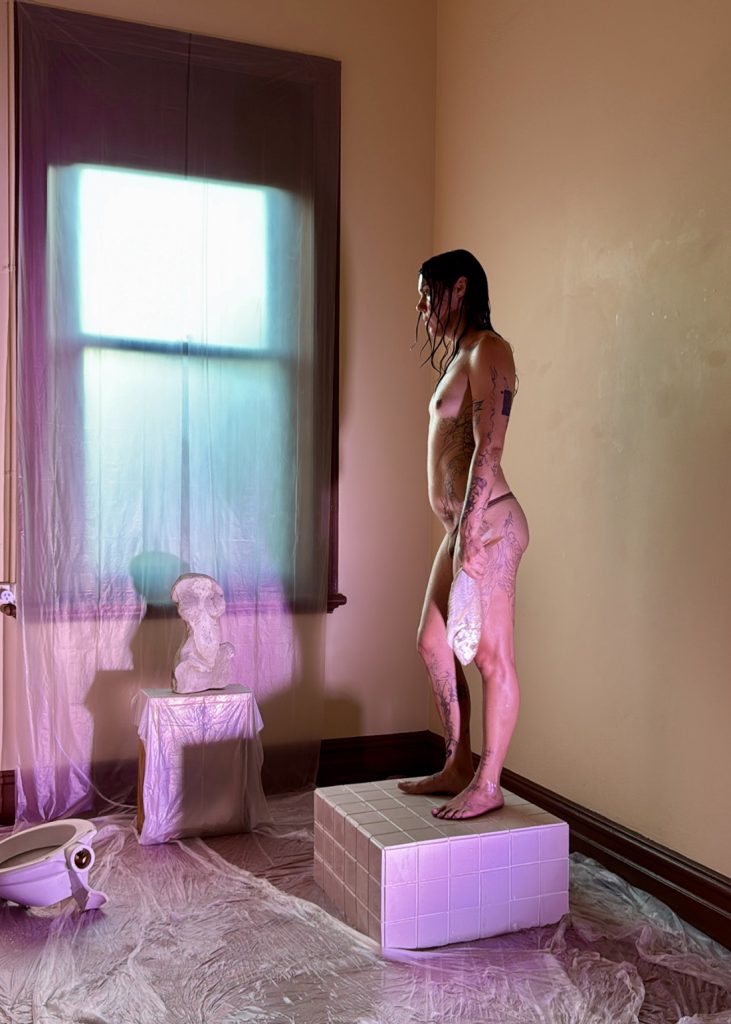
Mossy Jade, Room 6 (2025) | Courtesy of the artist and Fremantle Biennale | Photo Credit: Skripture In Room 12, Mossy Jade commanded attention in a piece that was at once intimate, raw and deliberately confronting. Standing on a small makeshift stage, clad only in a nude thong, Jade held a dead silver fish while a head sculpture and a porcelain urinal lay scattered across a plastic-covered floor. The scene was unapologetically Duchampian in its readymade provocations, yet it carried a distinctly contemporary performative edge, blurring the line between object, body and audience. There was something disquieting and compelling in the tension of the room: the nudity, the unexpected arrangement of objects and the vulnerability of the performer all demanded attention, reflection and a confrontation with ideas of identity, gender and the human form. The piece was simultaneously playful, absurd and unsettling, leaving the viewer oscillating between fascination and discomfort – a true embodiment of immersive art that refuses to let its audience remain passive and a performance that lingered long after the room was left behind.
Kimberly Parkins’ installation in the hotel’s Laundry Room, while literal in its recreation of a laundry space, was an unexpected delight. With the artist at the ironing board, fully immersed in the quiet ritual, it transported me back to a bygone era, evoking memories of mothers and maids carefully tending to the family’s clothes – a domestic scene rendered almost magical in its intimacy and attention to detail. It was a sight to be savoured and a gentle homage to everyday life imbued with warmth and nostalgia.
Another standout was Danielle Caruana and film maker Luna Laure’s bathroom installation, which seemed to capture the hotel’s own dreamlike imagination and masterfully fulfilled the artist brief. The immersion with ghost-like reflections shimmering in the shower and mirror initially disoriented me, then drew me into fascination and quiet wonder. Playful, eerie and bizarrely beautiful, the piece perfectly mirrored the strange enchantment of a long-dormant hotel come alive, evoking a sense of folklore or lingering spirits inhabiting the corridors and bathrooms. Ellen Broadhurst’s Room 15 immersion was quietly captivating. I found myself lingering, drawn to the striking contrast between the large sculpted head on the wall and the shifting digital projections that played across the space.
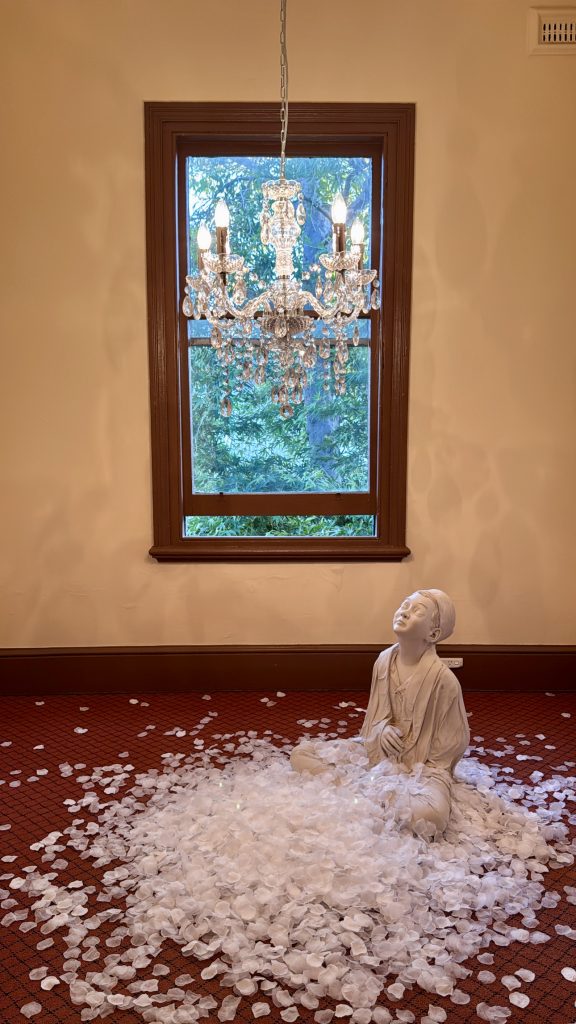
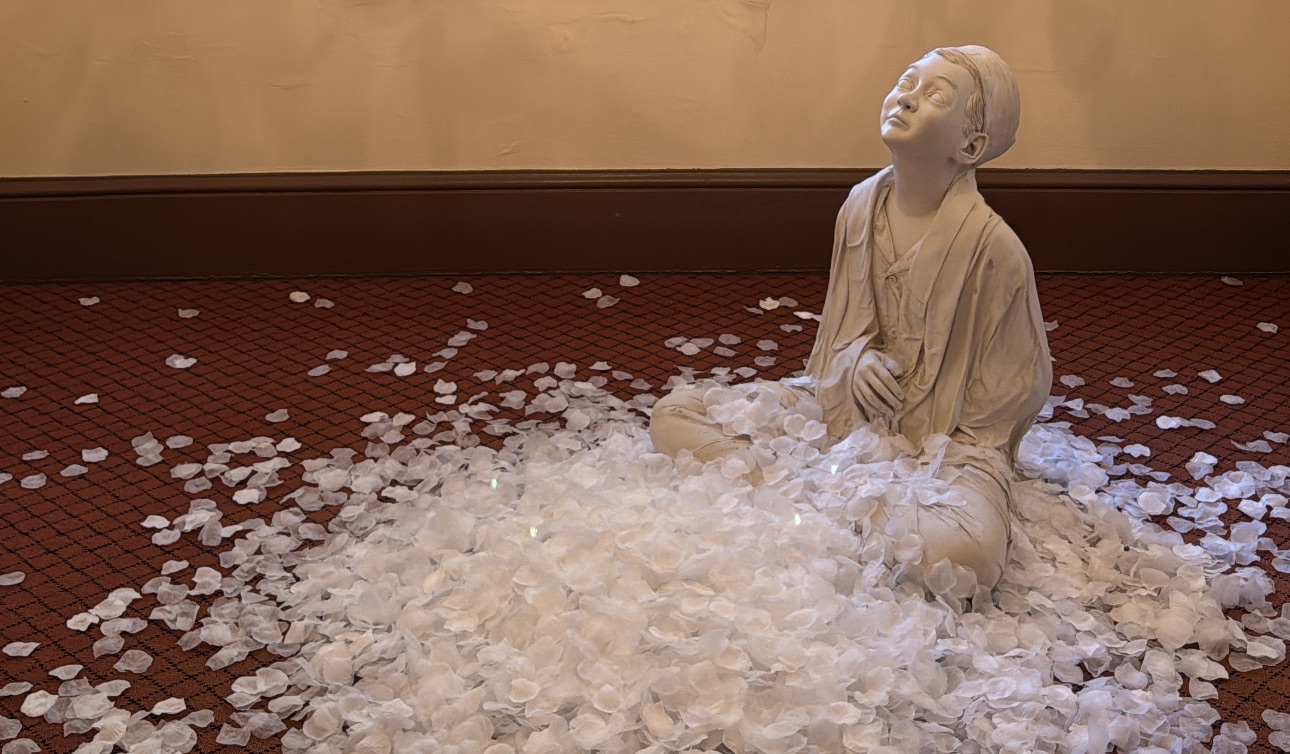
Abdul Rahman Abdullah, Room 25 (2025) | Courtesy of the artist and Fremantle Biennale | Photo Credit: Skripture Sculptural artist Abdul-Rahman Abdullah’s work in Room 25 was another point of distinction – so compelling, in fact, that I found myself returning to it again and again as the night unfolded. The room carried a quiet intensity, anchored by an eerie, ghost-like sculpture of a young boy gazing upward toward an ornate chandelier suspended above him. His expression, part innocence, part longing, created a powerful emotional charge that drew me in slowly. Beneath him, the floor was blanketed in white rose petals, their pale softness amplifying the stillness of the scene and adding a sense of ritual or remembrance. The contrast between the delicate petals and the poised figure heightened the room’s sense of mystery, as though time itself had paused to honour some unspoken moment. Visually striking and emotionally loaded, Abdullah’s installation was mesmerising – one of those rare spaces where you felt compelled not just to look, but to stand quietly and feel.
I too had the privilege of stepping inside and being part of the artwork that weekend, as a guest at Tom Mùller’s Room 13 Supper Club, an immersive component of the Room Service installation that transformed the act of dining into a work of art. For those born on the 13th of the month, the room became a stage for a truly immersive art experience – 13 guests, born on the 13th day, gathered to enjoy a 13-course dinner, exquisitely prepared by French chef, Nicolas Dreyfus, whose cuisine was as much a work of art as the installation itself. Elegant French décor, wax-dripped candles, exquisite service and carefully curated wines and spirits created an atmosphere that was both intimate and theatrical. I especially loved how guests interpreted the dress code, black with accents of white, with playful sophistication – noir lace, noir silk, crisp blazers, white pearls and white silk bows, each outfit a reflection of individual style and collective creativity.
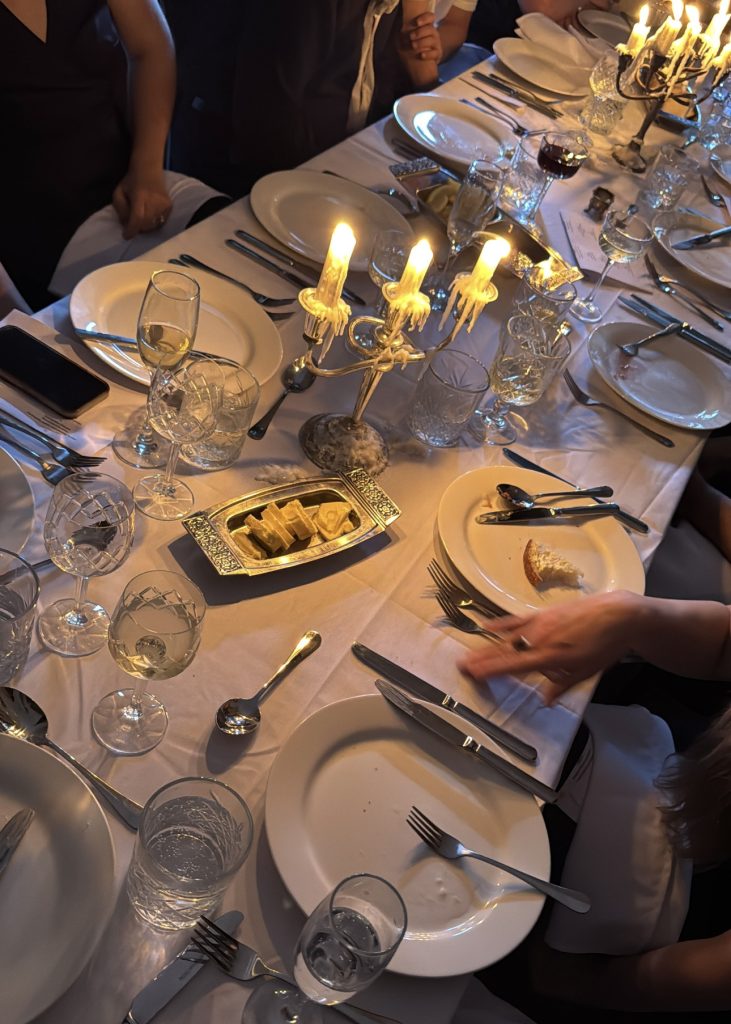
Tom Mùller, Room 13 (2025) | Courtesy of the artist and Fremantle Biennale | Photo Credit: Skripture What made the Room 13 Supper Club truly an installation was the interplay between participants, space and sensory detail. Titles, hierarchies and expectations were left at the door; while introductions, conversation, laughter and sophisticated banter flowed freely. Every gesture, every toast, every interaction became part of the art, a fleeting choreography of participation that transformed the dinner into more than a meal – it was a shared performance, an exploration of ritual, chance and connection within the immersive environment of the P&O Hotel. Within the larger Room Service experience, the Room 13 Supper Club exemplified how everyday rituals like eating, dressing and conversing can be elevated to artistic acts, transforming the hotel into a canvas for collective imagination and immersive storytelling.
The P&O Hotel itself holds a presence that is impossible to ignore. Built in 1906 in an era when Fremantle’s port pulsed with travellers, sailors and stories, the hotel once served as a waypoint for those arriving by sea, a place where journeys paused, overlapped or quietly unravelled behind closed doors – it has passed through many hands and purposes over the decades, including a period as student accommodation for Notre Dame University. Though its corridors have long been silent, the building has retained a kind of dignified stillness, its walls carrying the soft residue of conversations, footsteps and lives once lived within them.
Today, under the stewardship of its current owners, Nic Trimboli and Adrian Fini, the minds behind Fremantle favourites such as Little Creatures, Bread in Common and Vin Populi, the P&O Hotel is now in the process of restoration and reawakening for Fremantle’s booming tourism scene. But before the renovation began in earnest, Trimboli and Fini entrusted the keys to Tom Mùller and the Fremantle Biennale team, granting full licence to unleash creativity, imagination and a touch of controlled chaos for the festival’s final weekend, turning the building into a living, breathing playground for art.
“Fremantle is a city built on stories and the P&O Hotel is part of that fabric,” Fini tells me. “Supporting the creation of new stories, new perspectives and new experiences, particularly when international art is placed within our own distinctive buildings and spaces, feels important. It stretches us and it helps us see our city with fresh eyes.”
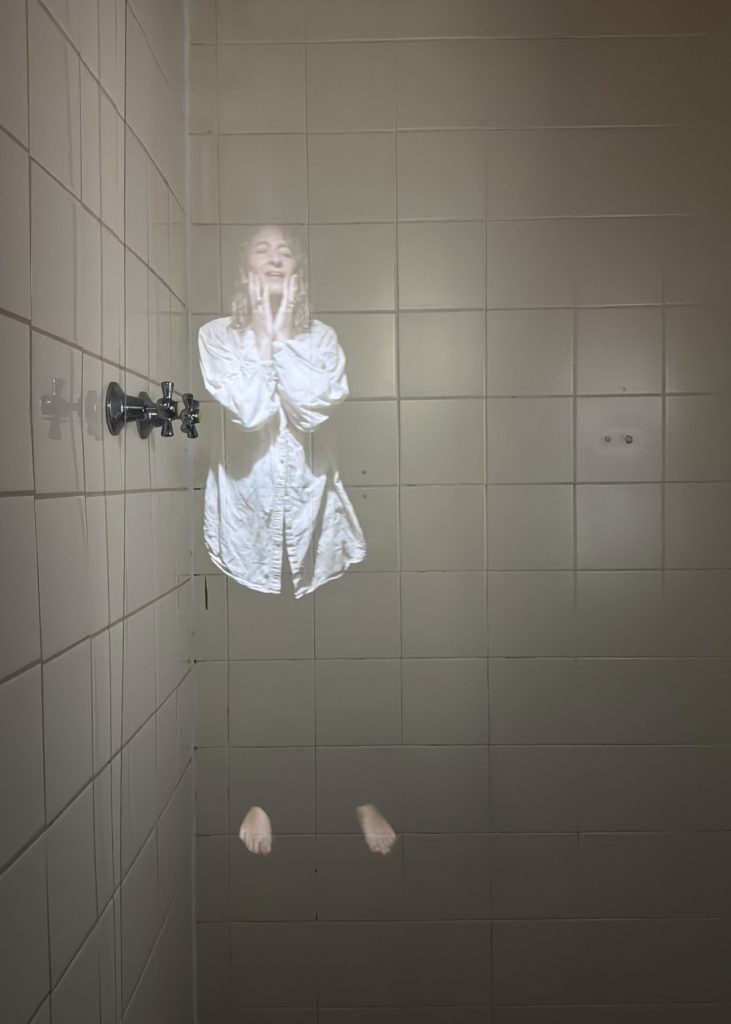
Danielle Caruana and Luna Laure, Bathroom (2025) | Courtesy of the artist and Fremantle Biennale | Photo Credit: Skripture As a long-time supporter of the Biennale, Adrian Fini’s involvement has been instrumental in terms of strengthening it as a cultural icon in Western Australia. “It has been a pleasure to watch the Fremantle Biennale continue to grow into such a significant cultural offering for Western Australia. This year’s program was no exception and with each edition, I find myself appreciating it more.”
For Fini, the weekend was more than just an exhibition – it was a reminder of why projects like Room Service matter. “Room Service was a brilliant activation and several of the works have stayed with me,” he reflects. “Losing our imagination would be the greatest loss of all, so I’ll continue to back the things that keep it alive.” His words capture the essence of the event – a dormant building reawakened, creativity given free rein and a celebration of the imagination as a vital, living force within Fremantle’s cultural landscape.
As the final weekend of SANCTUARY 25 drew to a close, the P&O Hotel carried the echoes of laughter, footsteps and whispered conversations through its corridors. Artists, performers, staff and visitors had filled its rooms with imagination, spontaneity and a shared experience, transforming everyday rituals into acts of art. At every turn, I ran into familiar faces from the Fremantle community, including a whole family volunteering over different aspects during the event – a warm reminder of the collective effort that made the weekend possible and a pleasant, community thread woven throughout the experience. For a few magical hours, the P&O Hotel was no longer just a building – it was a living, breathing Wonderland, a reminder that Fremantle’s cultural heartbeat can surprise and delight at every turn. Thank you to everyone who took part in, attended and contributed to the wonderful initiative of Room Service – parts of it will forever linger in our minds, and really, what a great legacy that is.
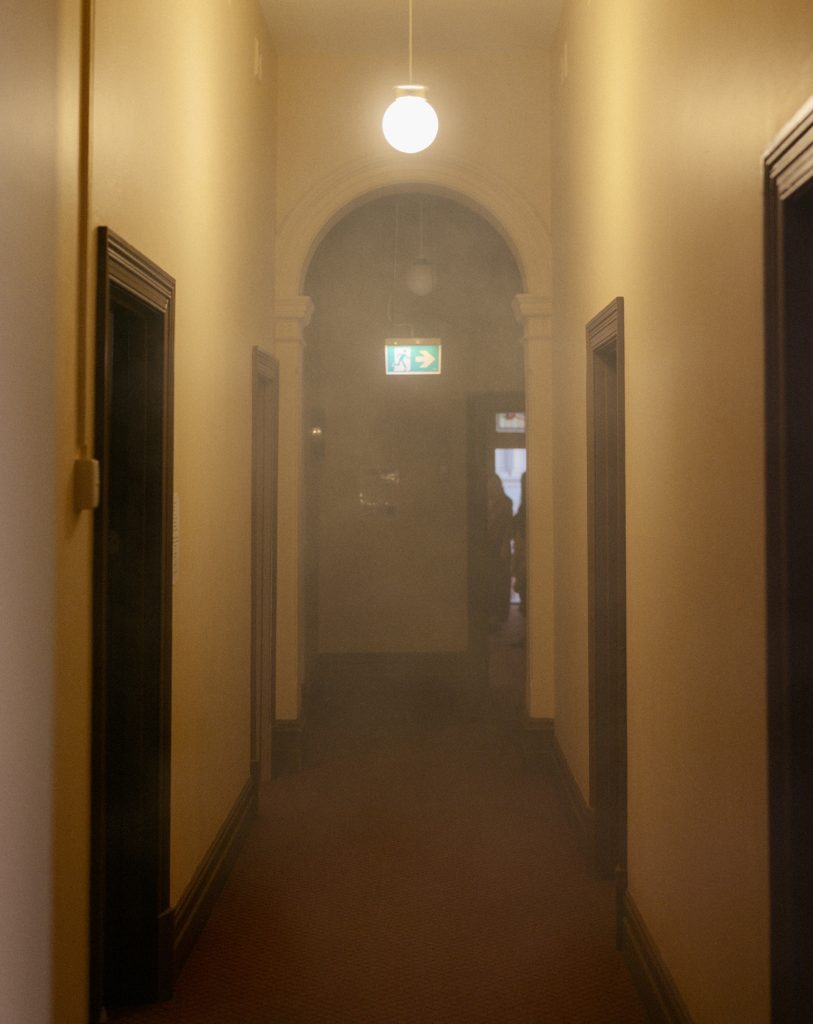
P&O Hotel Corridors I Photo Credit: Adam Kenna 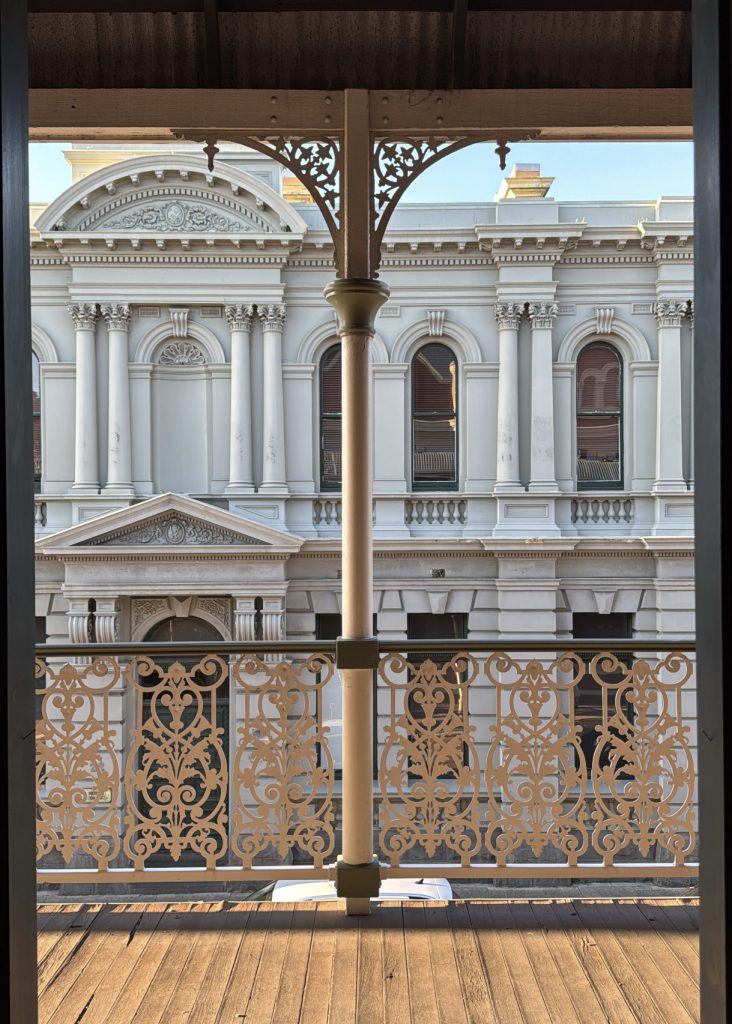
Fremantle’s P&O Hotel Balcony | Photo Credit: Skripture
This editorial was created for Fremantle Biennale by Skripture -
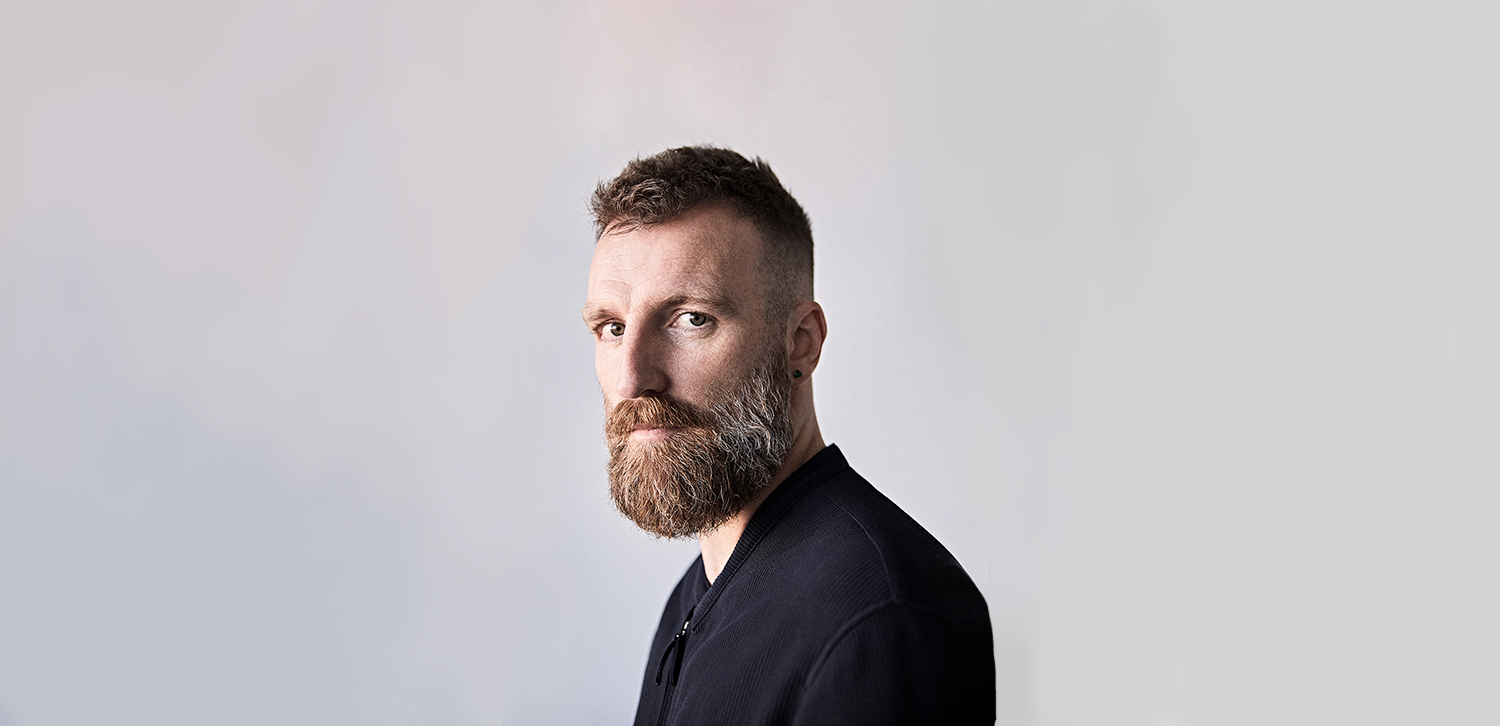
ARTIST SPOTLIGHT ON BEN FROST
Confronting the Past, Composing the Present
Written By: Prinitha Govender | Creative Director at Skripture
There’s a certain electricity that follows artist, Ben Frost, wherever he goes – a charged silence, a sense that something might detonate at any moment. The Australian-born, Iceland-based composer has long occupied that volatile space where sound becomes something much more than music: it’s a force, a weapon, a living organism. His work doesn’t so much invite you to listen as it insists that you feel it – viscerally, physically and undeniably.
This November, Frost has returned to Australian shores for the Fremantle Biennale with A Predatory Chord, a towering sound installation that continues his decades-long interrogation of power, pressure and the raw materiality of listening. In a year when the Biennale’s theme is sanctuary, Frost’s contribution feels like a provocation – what happens when sanctuary is not soft, but shuddering? When safety hums with danger? Let’s explore.
When I briefly met Frost four months ago, he struck me as quietly withdrawn, a figure folding into himself rather than stepping forward and slightly reclusive. So, when I caught up with him once again last week over coffee, ahead of Fremantle Biennale’s SANCTUARY 25 opening, I was genuinely taken aback. A short escape to Fremantle, Australia had clearly done something to him: his hair had grown into loose curls, his smile was bright, glowing skin, his demeanour was warm and mellow and the energy around him felt transformed. It was as if I were meeting an entirely different person altogether – one ready to talk, to laugh and to share the stories that shape his art and his life for that matter. Was it the salty air, the sound of seagulls, street music or the slow rhythm of the harbour? Perhaps it was all of the above.“I feel good being here,” he tells me. “I’ve commented to myself several times on several occasions since being here that I feel good here. I could live here for sure.” Frost’s heritage lies between Scottish, Swedish and there’s some Indigenous Australian from his mother’s side of the family.
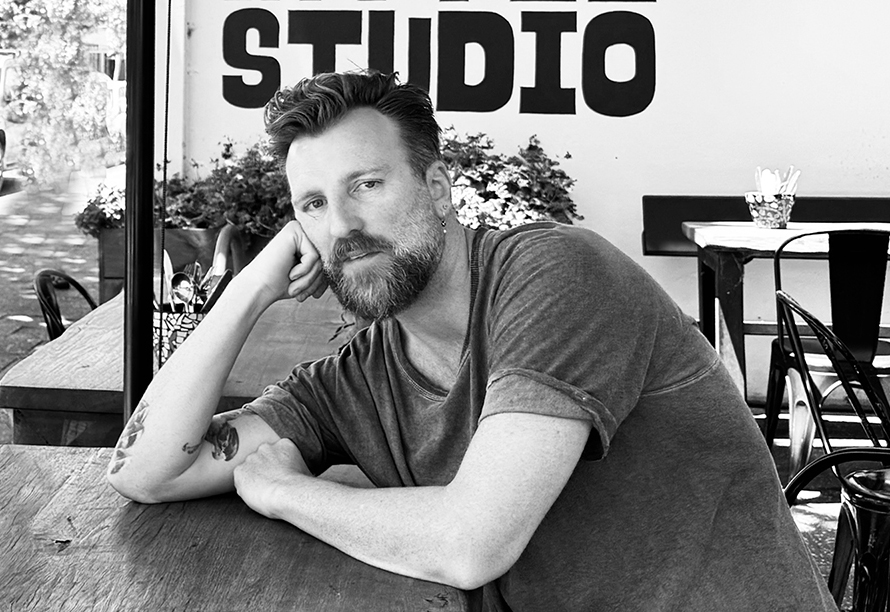
Artist Ben Frost in Fremantle for SANCTUARY 25 I Photo Credit: Skripture Frost explains one of the realties of life in his current city, Reykjavic, Iceland to me. “The weather there is kind of harsh and prevents a lot of time outdoors which I realised I do miss. You know, when I come back here and realise I don’t have to wear shoes anymore.” Ah yes, it looks like our barefoot-friendly town has rubbed off on him. “The simple fact is, the longer I’ve spent away from Australia, the more obvious it’s become to me just how deeply engrained this place is in me, specifically the sound, the smell, like all these things that you really can’t put your finger on,” he says. “This is nowhere to be found in Northern Europe – the way the stars are here, the sunsets here.”
I guess there’s just no place like home – a fitting discussion worth having, given Frost is here in Fremantle presenting his highly acclaimed artwork, A Predatory Chord, to Australian audiences at the year’s sanctuary-themed Fremantle Biennale. And this is precisely what I’m here to explore – the artist behind the work and some of the inspirations behind the work itself.
Frost’s composition, A Predatory Chord, feels less like a piece of music and more like an organism – it stalks its listener with low-frequency growls and sudden, serrated bursts of sound, yet within that tension I found an unexpected sense of refuge. For me, Frost builds a world where sanctuary isn’t softness but awareness: a sharpened alertness that becomes its own form of safety. In his hands, the predatory becomes protective and the sound’s relentless edge carves out a space where one can finally surrender – held, paradoxically, by the very forces that threaten to overwhelm. Surrender to that which is larger than ourselves.
Frost acknowledges his enduring obsession with the natural world and the role it plays in shaping his art. “I have a deep fascination with things like animals and plants and with uncontrolled elements like the natural ocean, things that feel bigger than me. I’ve always been drawn to those kinds of forces and so I think the process of my music becoming something more physical, more immersive, has progressed more. I’m bringing more elements into the work that are outside my control.”
Featuring speakers suspended in air, enveloped in darkness and an ethereal haze, flashes of light slivers are underlined by an overwhelming sound piece. In A Predatory Chord, Frost reimagines the PA system, a device that is often forgotten in the background, as a sculptural, intelligent instrument, bringing it into focus. He blurs the line between music and architecture, turning sound into a living, tangible and reactive ecology. Staged at Fremantle’s Victoria Hall, a striking heritage building designed by Talbot Hobbs in 1897, the work assumes a deeper, almost ritualistic power. The hall’s uninsulated, cavernous interior accentuates every swell and pause and its storied past, from parish gatherings to dance halls and community theatre, amplifies the installation’s emotional tension. “Wood carries an energy,” Frost explains, “and part of that energy comes from the memory that wood carries.” In this intimate, historically rich space, A Predatory Chord doesn’t just play – it confronts, envelops and unsettles, turning Victoria Hall into a living chamber of sonic menace and fragile beauty.
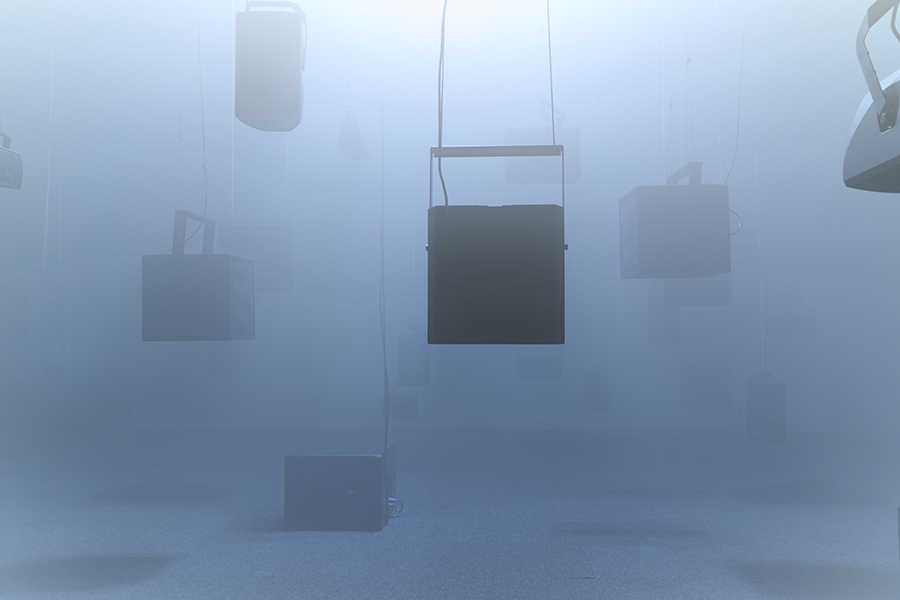
A Predatory Chord at Fremantle’s Victoria Hall | Photo Credit: Duncan Wright “A Predatory Chord is very much about setting up a framework for things to occur, more than it is a composition – where this thing happens here, that thing happens then. None of that is really in my control. It’s very much about putting a very specific group of elements into a system and then just pressing go and allowing it to do what it does and be what the audience submits it to, whatever that effect is. Fundamentally, the work is doing what it naturally wants to do.”
Frost and I have a meaningful discussion about the energy in materials, the energy that is found in wood and other natural or naturally derived materials, like limestone, brick and metal – the materials Victoria Hall is made from. Frost draws on this as part of the living ecosystem of his installation – how the sound reacts with the space, the light and the materials and the energy of those materials used to build that space. It was highly interesting, to say the least, and this is what Frost refers to when he says “the work is doing what it naturally wants to do.” It’s a force that’s out of his control – it’s a natural force that is taking on a life of its own that he has set the stage for in A Predatory Chord.
I can’t help but bring my Hindu roots into the conversation – Vastu Shastra is an ancient Hindu wisdom that ties in architecture with spatial design, placement of materials and harmonising physical structures with natural energies. It speaks of the energies that natural materials embody and that’s what I see and feel when I experience A Predatory Chord. Here, the force of sound does indeed become a living organism in the way it vertebrates around Victoria Hall amongst the elements it’s presented with – physical space, light, darkness, materials and the energy of those materials, and, of course the person or persons in that space. At no one time is that sound the same, it’s always different, ever evolving and does indeed take on a life of its own.
“It’s an attempt of conjuring the essence of a natural phenomenon into an artificial space. But where that starts to get really interesting, specifically here, is that these works that I make, ultimately has to exist in a place. When the thing that I’ve made, ultimately rubs up against the place that it exists in, that conversation always changes,” he explains.
So, what next for Ben Frost? In terms of career, the artist says he’s focused more on creating time-based immersive artworks, much like A Predatory Chord. His orientation has shifted away from music and more into physical manifestations and ideas. “A big part of that is re-contextualising this speaker technology, maybe reanimating these objects that are literally, by design, supposed to be invisible. You’re not supposed to look at them. They have this innate invisibility so I’m trying to bring that into a space where you are confronted with them, those boxes. You’re confronted with the actual source of sound. It’s not just sound – where is the sound, where is the sound coming from? It’s there. It’s a tangible experience. There’s a materiality in that. These speakers are made of a number of different elements – the speaker cones are fabricated from paper, there’s a lot of copper involved, cadmium – there’s all kinds of different earth materials which have a massive impact.”
Frost’s vision for the future is expansive, yet grounded. Beyond creating and in terms of life-goals, the artist says one thing close to his heart would be to restore parts of Australia that have been taken away from nature and given over to agriculture, seeing it as a responsibility as much as a privilege. It doesn’t come from nostalgia, according to him, but more from a deep sense of responsibility he bares, coming from an ancestry that is responsible for much of the destruction of Australia’s natural habitats. “If there was any way, some way, that I could make that occur, I think that would be my ultimate goal, is to take part in the reformation.” It’s an acknowledgment that art does not exist in isolation but in conversation with the world – its past, its present and the possibilities it holds. By choosing to engage more deeply with this land and its histories, Frost seeks not only personal reconciliation but also a way to contribute to something enduring, something that, in its own quiet way, nurtures understanding, reflection and perhaps healing.
The artist says that another dream goal would be to ultimately spend half of his time here in Australia. Frost speaks of the dark history of Australia’s colonisation and the pain and discomfort he endured coming from that which caused much destruction and pain. “There’s a kind of reckoning that needs to occur on my side, spiritually and creatively. I think if I’m honest about it, and I want to be, I think that it’s clear to me now that part of the reason I left Australia when I did was to run away. It was a search, it was exploratory, but I think an element of it was also about escaping an idea of who I was, where I’d grown up.”
Frost left Australia as a young twenty-something man and found a home far away – far, far away in Reykjavic, Iceland and he says he feels there’s place now, for him to spend more time in Australia to confront the very thing he ran away from.“Wanting to get away from it and be someone else. The fact is, with time, and twenty-plus years now on top of that, I am very aware of just how deeply engrained this place is in my person. To come back to this now and putting my focus now on the rupture points of that discomfort that I felt here – pressing on that wound feels like the right time to do that and I think I have better tools for that now.”
The artist acknowledges there’s much to Australia yet to be discovered. “There’s so much stuff about this place that I don’t know – we’ve been cheated and I feel that my generation, we were deeply cheated of the understanding of the place we grew up in, about the uncomfortable truths about the history of this place and how we, meaning white people, ended up here and everything that existed beforehand being swept aside as this blip on the radar that somehow required our intervention. I think we all are very much aware now, and thankfully, that is not the case anymore.”
In returning to Australia, Frost is not simply coming home – he is stepping into the tension between past and present, creation and accountability. His work, his presence and his intentions all carry a reckoning with history, identity and the natural world. A Predatory Chord is more than sound; it is a meditation on responsibility, a call to listen and a space where confronting darkness becomes an act of care. As he immerses himself in this land again, Frost reminds us that art can be both mirror and remedy, challenging us to face uncomfortable truths while imagining the possibilities of restoration, connection and hope.
A Predatory Chord can be experienced at Fremantle Biennale’s SANCTUARY 25 13-30 November, Thursday to Sunday from 11am-8pm. Bookings are essential.
This editorial was created for Fremantle Biennale by Skripture
-
THE ART OF SANCTUARY
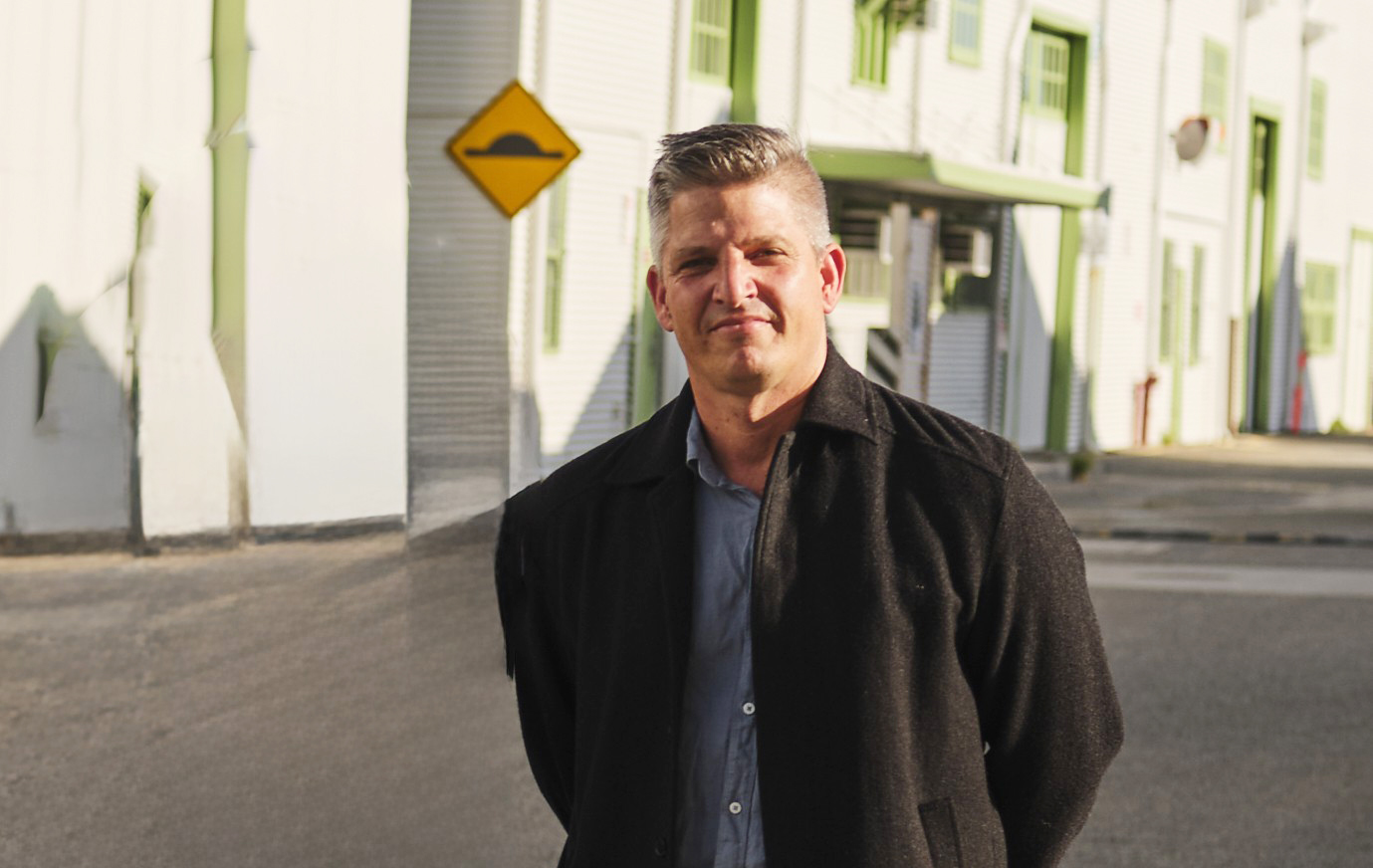
Written by: Prinitha Govender | Creative Director at SkriptureAs Fremantle prepares for the fifth edition of its acclaimed site-responsive festival, the Fremantle Biennale, the port city once again becomes a stage for art that listens – to land, to community, to change. This year’s iteration, titled SANCTUARY 25, invites audiences to consider what sanctuary means in an era of uncertainty and transformation. Across beaches, laneways, warehouses and waterways, artists reimagine the idea of refuge as something living, porous and collective. At the centre of it all stands Tom Mùller, the Biennale’s co-founder and artistic director, whose vision has helped shape Fremantle into one of Australia’s most compelling laboratories for site-based art. In my conversation with Mùller, he reflects on the poetics and politics of sanctuary, the responsibilities of curating on Whadjuk Noongar land and the evolving relationship between art, place and community.
Sanctuary. Just saying the word feels like stepping into a quiet, protected space. Derived from the Latin word sanctuarium, meaning “sacred place”sanctuary originally referred to a walled place, a temple or a shrine, where the sacred was kept safe. By the middle ages, sanctuary came to mean a place of asylum, where the vulnerable could seek protection. Today, it’s expanded again – sanctuary can be a shelter for humans, for animals, for cultures, or even for ideas – whether it’s a wildlife refuge, a city safe house, or a quiet corner of your own home. Sanctuary has evolved to be much more than a word; it’s a promise, a reminder that amidst chaos, there are spaces, both real and imagined, that shelter, protect and restore. The concept of sanctuary is precisely what is being pulled apart and deconstructed by artists at this year’s Fremantle Biennale SANCTUARY 25.
THE ARTISTS’ BRIEFThe brief the artists received for SANCTUARY 25 was to probe the concept of sanctuary and to examine and expose some of the workings of it in ways that we perhaps haven’t seen before, according to Mùller. “Active communities, active shaping and making is very much what we’re interested in seeing, which is yet to be explored as people go through the event themselves,” he explains.
“There’s so many different ways of coming at this and I think the more protagonists, the more participants you have, will shape out how this year’s space will become and I think for us it means how you bring a sense of self to a place like Walyalup, Fremantle that already feels like a museological sanctuary, a very deeply rooted community, a connected and engaged village and so coming into that as an artist that can sometimes be tricky.”
FREMANTLE AS SANCTUARY
Fremantle has long been considered a sanctuary – a coastal haven where creativity and community thrive side by side. With its mix of historical architecture, ocean air, a deep sense of local pride and a richly layered cultural mix, Fremantle offers a kind of calm that’s increasingly hard to find in today’s fast-paced urban life. Artists, musicians and wanderers have long gravitated here, drawn by its openness and its unpolished beauty.
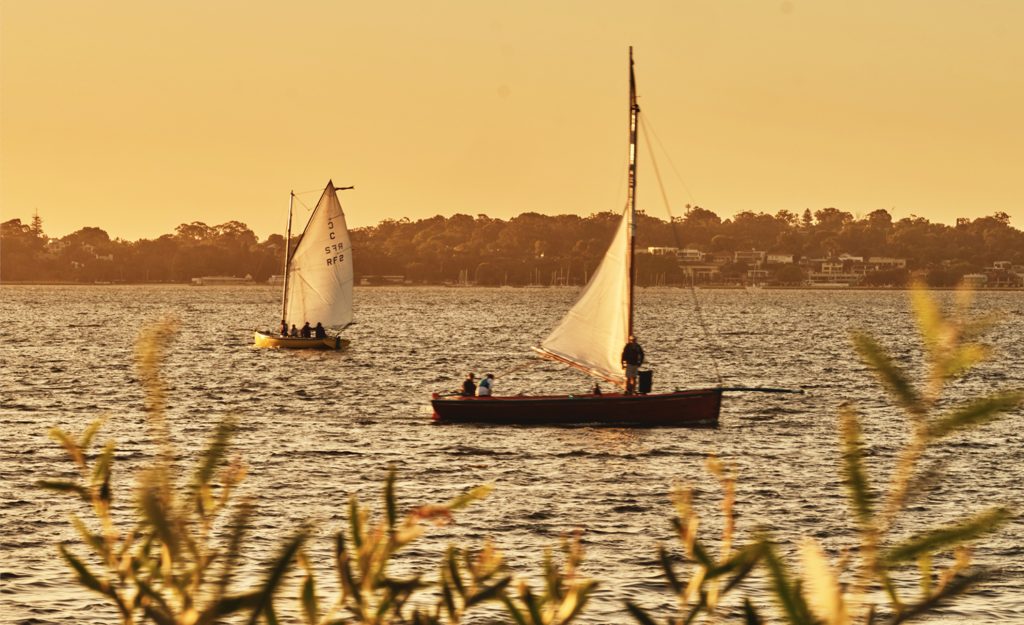
Fremantle’s Manjaree Beach, Vespers | Photo Credit: Duncan Wright Looking at the public spaces of Walyalup Fremantle, the historic buildings, its shorelines, community kitchens, shipping containers and the ambient landscape of the city itself, the heritage town seems to be the ideal stage for SANCTUARY 25. “We’re leveraging what’s already there,” says Mùller. “We’re not bringing anything new to the city of Fremantle. We’re augmenting Fremantle as a sanctuary through artistic events, through other public events and forums. We’re basically highlighting what Fremantle already is and making it visible, really visible, for a three-week moment.”
In fact, the vibrant presence of the Fremantle Biennale in Fremantle has become a compelling drawcard for people relocating to the seaside town. “Many people have moved here because of the Fremantle Biennale, which I only discovered recently, which is amazing. People have come back, wanting to live here because of Satellites and Nonotak from the previous year’s program. They’ve come here because they’ve sensed that solidarity and connectivity and the idea of bumping into someone that you may know every other day, but also discovering new people, is so strong.”
“I think for me it’s about capturing all of these things that make you feel both, safe and comfortable in, but also a place that you feel stimulated in. You will make new discoveries, you’ll have new collisions and encounters and I think that, together, makes Fremantle one of the most compelling places to live in.”
The rich and vast tapestry of Fremantle is undeniable. With Fremantle Ports handling 99% of WA’s container trade, it maintains a real sense of influx. There are also rich layers of immigration that is the bedrock of this place over the years. The Sicilian communities from Syracuse, for example, still speak a dialect that is defunct back in Sicily, but is still alive here, in Fremantle. Some of these elements are highly fascinating.
THE DARK SIDE OF A CULTURAL MELTING POT
But, there is a darker side to this rich tapestry. As Fremantle’s appeal has grown, so too has the pressure on the very people who gave the city its cultural soul. Rising property prices and redevelopment have begun to edge out the musicians, artists and independent creators who once defined the town’s character. The warehouses that hosted gigs and exhibitions are being converted into apartments; the cheap studios and shared homes that nurtured new ideas are harder to come by. There’s a quiet irony in seeing the city’s creative spirit celebrated in brochures and branding, even as the artists behind it are forced to move further afield in search of affordability. It’s a familiar story in many cultural hubs and one Fremantle now finds itself reckoning with, one the Biennale is actively fighting to protect against.
“Now what we’re seeing, which is a little unfortunate, is the gentrification of Fremantle that has become such a destination, that the people who live and work in this place and who make it interesting, are being pushed out to the fringes like Hamilton Hill and Spearwood, who can no longer afford to live in Fremantle,” explains Mùller. “That’s something that this festival is actively fighting against – to make sure that the living fabric and the kind of pulse and soul of this place needs to remain alive and thriving and for that we need festivals that question the way we, you know, we need things to be alive and shifting and risky and thought provoking.”
“We don’t want another Chelsea and London,” he explains. “We don’t want that. So it’s really important that we keep pushing the fabric and we keep making it porous and permeable in some ways, permeable in different ways, but what we don’t want is every Tom, Dick and Harry with their Teslas down here, thinking Fremantle is the place where they can just come and indulge. This is a living melting pot. Fremantle is like a lab for ideas.”
ACCESSIBILITY AND OPENNESS
In an age when ticketed exclusivity often defines the art world, Fremantle Biennale stands apart by being a largely free event. This accessibility isn’t an afterthought; it’s at the heart of the Biennale’s philosophy. By stripping away financial barriers, SANCTUARY 25 invites everyone – locals, visitors, the curious and seasoned art lovers alike, to step into a shared space of creativity and discovery. “That’s very much part of our fabric – that openness and accessibility to all members of the community. Having very few ticketed events is largely thanks to our funders, our benefactors and philanthropists – it’s how we make all of these things free.”
This inclusivity helps foster a deeper connection between artists, audiences and the city itself, transforming public spaces into platforms for shared creativity and dialogue. The emphasis on free participation demonstrates the Biennale’s belief that art should be a communal experience – open, engaging and accessible to all, strengthening Fremantle’s identity as a vibrant, welcoming hub for contemporary art and cultural exchange.
TRACES AND TRANSFORMATIONS OF SANCTUARY 25
The most compelling artwork at this year’s Fremantle Biennale, according to Mùller, is not a monument or a big piece of public art – it’s the collective experience of the people that will come to this festival and have encountered magical moments and conversations with art, with response to a particular site or location.
“It’s those mementos, those site-responsive mementos, that you take away and reflect upon Fremantle as a place that is perhaps different to what we imagined it to be,” he explains. “It’s not just a place where you go and have fish and chips or where you see the big ferris wheel – there’s actually much more. I think we’ve invited the artists to really dig deep into that and our hope as a team is for people to leave this place and having them feel like they’ve been re-enchanted.”
HOW TO NAVIGATE THROUGH SANCTUARY 25
So, how should one navigate through the myriad of artworks and performances on offer at this year’s festival? The best way to approach SANCTUARY 25, according to its artistic director, is to perhaps begin by having a look at the program online and mapping your day out. “Allow yourself a day to do a bit of a walking journey and exploring, which can be done individually or with tour guides from the organisation, and by going from site to site and taking the time to absorb the work.”
Being a bit adventurous in your approach is also highly recommended, perhaps going to a late night sound sauna and then having a meal in the community kitchen afterwards. “Be a bit experimental. I think there should be a lot of self determination and self shaping – make it something that works for you. You don’t have to be this passenger in this. An activate participant is what we’re looking for.”
Fremantle Biennale’s SANCTUARY 25 will run over three weeks, from 13-30 November 2025. As you wander through the city’s waterways, heritage sites, streetscapes and alleyways going from site to site, take a moment to pause, a collective breath and let SANCTUARY 25 wash over you and work on you a bit like a herbal tea, like an infusion, to slowly permeate you. Take that away as a gift and cherish it. Give yourself time to really journey through it.
This editorial was created for Fremantle Biennale by Skripture